NZ Trailer Compliance Guide 2026 | Registration, WoF & Brake Rules

NZ Trailer Compliance Guide — What You Need to Know Before Registering
Whether you’ve just finished welding up your dream trailer in the shed or picked up a second-hand tandem off Marketplace, there’s one thing you can’t ignore in New Zealand: compliance.
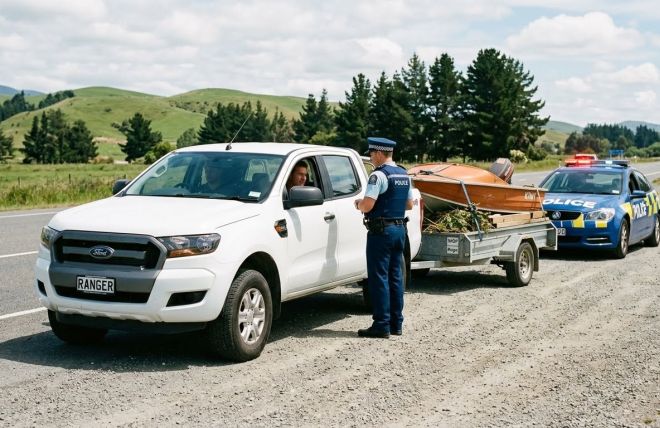
And yeah — trailer compliance sounds about as exciting as reading tax law. But get it wrong and you’re looking at failed WoFs, fines, insurance headaches, or worse, a runaway trailer doing 80km/h into someone’s Ranger.
Here’s the straight-up NZ guide to getting your trailer legal, roadworthy, and ready to tow.
Why Trailer Compliance Actually Matters
A trailer might seem simple — steel frame, axle, wheels, send it. But once it hits a public road, it falls under NZ transport law.
That means your trailer needs to meet standards around:
- Brakes
- Lighting
- Safety chains
- Structural integrity
- Registration and WoF requirements
The good news? If the trailer’s built properly, compliance is usually more paperwork than pain.
Do You Need To Register Your Trailer?
Here’s where people often get confused.
In New Zealand, light trailers up to 3500kg loaded weight must be registered and have a WoF.
What matters most:
- Your trailer must be roadworthy
- Lighting must work
- Coupling and safety chains must be compliant
- The loaded trailer weight must stay within legal limits
If you’re unsure of your trailer’s weight rating, check all the trailer component (springs, coupling, tyres, drawbar) ratings and find the weakest link to determine your trailer’s GVM.
- GVM (Gross Vehicle Mass) = trailer weight + maximum intended load
Check here to see what your trailer can cope with
WoF Requirements For Trailers
If your trailer needs a WoF, inspectors will check the obvious stuff first — and the dangerous stuff second.
Expect them to inspect:
- Coupling condition and mounting
- Safety chains and ratings
- Lights and reflectors
- Tyres and wheel bearings
- Rust, cracks, or structural damage
- Brakes (where required)
- Drawbar condition
- Number plate visibility
NZTA requires trailer tyres to have at least 1.5mm tread depth.
Pro tip:
Do your own pre-check before booking a WoF. Most trailer fails are simple:
- Lights not working
- Cracked or damaged lights
- Rust in the drawbar or chassis
- Damaged or bent drawbar
- Worn or damaged coupling
- Safety chains and shackles with no visible rating
- Check tyre tread depth and wear
- Insecure or loose mudguards, tailgates and attachments
NZ Trailer Brake Rules
This is where home builders usually get stung.
NZ brake requirements are based on the trailer’s gross laden weight (fully loaded trailer weight).
Under 2000kg
Brakes are not legally required, but if fitted they must work correctly.
2001kg–2500kg
A service brake is required on at least one axle.
This can be:
- Override (surge) brakes
- Direct braking systems
You’ll also need:
- Two crossed safety chains, or
- A compliant breakaway braking system
2501kg–3500kg
Things get more serious here:
- Brakes required on trailer wheels
- Parking brake required
- Breakaway braking rules apply
- In cab braking controller or similar
If your trailer build is going anywhere near 2000kg loaded, design your axles for brakes from day one. Retrofitting later usually costs more than doing it properly upfront.
Home-Built Trailer Considerations
If you’re building your own trailer, it pays to think about compliance early rather than trying to fix issues after the build is finished.
Things that commonly cause problems:
- Undersized drawbars
- Poor welding
- Incorrect coupling installation
- Inadequate safety chain mounting
- Cheap lighting and wiring
- No allowance for brakes on heavier builds
Smart move:
Keep records of:
- Material sizes and specs
- Axle ratings
- Coupling ratings
- Brake component details
- Build photos
That paperwork makes future inspections and resale much easier.
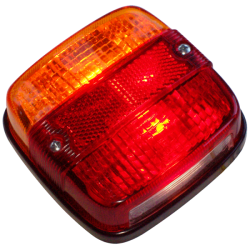
Trailer Lighting Requirements
Every trailer on NZ roads needs compliant lighting.
Minimum requirements:
- Rear tail lights
- Brake lights
- Indicators
- Rear reflectors
- Number plate light
If the trailer or load exceeds 2 metres wide, extra front clearance lights are required.
Poor trailer wiring is one of the fastest ways to fail a WoF, so don’t cheap out on connectors and
Don’t Forget Your Tow Vehicle Limits
A legal trailer can still become illegal if your tow vehicle isn’t rated for it.
Check:
- Vehicle towing capacity
- Towbar rating
- Gross Combined Mass (GCM)
- Braked vs unbraked towing limits
A lot of SUVs can legally tow far less than owners think — especially without trailer brakes. Check your vehicle manufacturers rated towing capacity, and check the rated tow capacity noted on your towbar.
Just remember that if you have or cause an accident while towing a trailer that is heavier than what either the trailer or tow vehicle is designed for, you will void your insurance and could be prosecuted.
Quick Trailer Compliance Checklist
Before towing on NZ roads:
- Trailer registered and licensed
- WoF current
- Safety chains and shackles rated and secure
- Lights work correctly
- Tyres legal and in good condition
- Brakes fitted if required
- Tow vehicle rated for the load
- VIN and identification plates fitted
Trailer compliance in NZ isn’t actually that complicated — but the details matter.
Build it right from the start and towing becomes a whole lot less stressful.
And if you’re still in the planning stage, starting with a properly engineered trailer design saves a mountain of hassle later.